
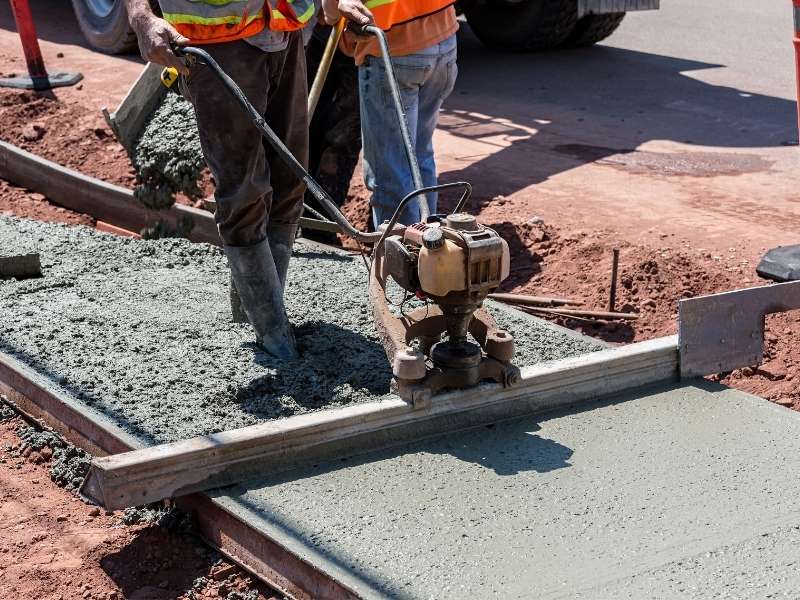
Sidewalks rarely get a big line in a redevelopment budget. They seem simple, and compared to a new building, a few hundred feet of concrete looks like a small item. Then the city review comes back requiring full frontage replacement, new curb ramps, a relocated water meter, and a regraded driveway, and that small item grows fast. Developers and property owners who look closely at sidewalk replacement early can budget accurately and avoid surprise costs late in the project.
Why Sidewalk Replacement Becomes Necessary During Redevelopment
Redevelopment often triggers public improvements along the property frontage. Many cities and counties require owners to repair or replace damaged sidewalks, curbs, and driveway aprons as a condition of site plan approval or building permits. Some also require existing sidewalks to be brought up to current standards, even if they look serviceable. The exact rules depend on the jurisdiction and the scope of work.
Construction itself can damage what’s there. Heavy trucks, equipment, utility connections, and staging can crack or settle existing panels. Most agencies expect the frontage to be restored before final inspection or a certificate of occupancy. That can mean replacing more sidewalk than the original plan showed.
Changes in site use matter too. A new driveway location, wider entrance, or added pedestrian connection often means removing and rebuilding sections of sidewalk. Higher foot traffic from a new commercial or mixed-use building may also lead agencies to ask for wider walks.
How Site Conditions and Grading Affect Sidewalk Replacement Costs
Grading is one of the biggest cost drivers. Older sidewalks often don’t line up with modern slope requirements or new building entrances. When the new walk has to meet a finished floor elevation, a driveway, and the existing curb all at once, the grading can get tricky. Steep frontages may need longer transitions, steps outside the public route, or small retaining walls.
Soil conditions affect what goes under the concrete. Soft, wet, or expansive soils may need removal and replacement with compacted base material. Old fill, buried debris, and abandoned foundations from earlier buildings are common on redevelopment sites. Each one adds earthwork, hauling, and time.
Trees are another frequent issue. Roots lift and crack panels, and many cities protect street trees or require replacements. Working around roots, adding root barriers, or using special soil systems can raise costs. Those choices should be coordinated with the city’s forestry or public works staff early.
Concrete Materials, Drainage, and Construction Costs
Concrete is the main material in most sidewalk replacement work, and its cost depends on thickness, mix design, reinforcement, and finish. Sidewalks are often thicker at driveway crossings, where vehicles add load. In cold climates, air-entrained concrete is commonly used to help resist freeze-thaw damage. Local agency standard details usually spell out what’s required, so designers should check them before pricing.
Drainage can add unexpected work. Sidewalks need cross slope to shed water toward the street, and the curb and gutter must carry that water to inlets. If the existing curb line has settled or the gutter holds water, the agency may ask for curb replacement or new drainage structures. Stormwater from new roof drains may also need to pass under the sidewalk through trench drains or pipes.
- Demolition and disposal of old concrete and base material.
- Saw cutting and protection of adjacent pavement and curbs.
- Traffic control, lane closures, and pedestrian detours.
- Weather delays, curing time, and night or weekend work restrictions.
These items can add up quickly on busy streets. Contractor pricing should include them clearly so they don’t appear later as change orders.
ADA Compliance, Permits, and Hidden Infrastructure Expenses
Accessibility requirements often drive the largest surprise costs. Public sidewalks generally must provide an accessible route with limited slopes, firm surfaces, and level changes kept to a minimum. Corners may need new or reconstructed curb ramps with detectable warning surfaces. Which standards apply depends on federal, state, and local rules, so the design team should confirm them early.
Permits add time and cost. Work in the public right-of-way usually needs a separate permit, inspections, and sometimes a performance bond. Some agencies require their own testing of concrete and base material. Lead times for review can affect the construction schedule.
Buried infrastructure is the classic hidden expense. Water meters, valve boxes, utility vaults, fiber lines, and old gas services often sit right under the sidewalk. Covers may need adjusting to the new grade, and conflicts can require relocation by the utility owner. A utility locate and survey before design helps reveal these issues before bids go out.
Planning Sidewalk Replacement to Reduce Long-Term Maintenance Costs
Good planning lowers costs now and later. A well-prepared base, proper drainage, and control joints at the right spacing help reduce cracking and settlement. Choosing concrete mixes suited to the climate and traffic improves durability. These details often cost little up front compared to repairs a few years down the road.
Coordination makes a big difference. Plan utility connections, tree work, and driveway changes before the sidewalk is poured, so crews don’t have to cut new concrete. Ask the agency early about required standards, inspection points, and frontage limits. Clear expectations help avoid redesign and rework.
Owners should also understand maintenance responsibilities. In many areas, adjacent property owners are responsible for sidewalk repairs, snow removal, or tree root damage. Knowing those obligations helps owners budget realistically. A short maintenance plan with periodic inspections can catch trip hazards and drainage problems before they become liabilities.
Frequently Asked Questions
Why do cities require sidewalk replacement during redevelopment?
Many agencies use redevelopment as a chance to repair or upgrade public frontage. Requirements are often tied to site plan approval or building permits. Agencies may also require restoration of damage caused by construction. The specific rules vary by jurisdiction.
What affects sidewalk replacement costs the most?
Grading, soil conditions, accessibility upgrades, and utility conflicts often have the biggest impact. Traffic control and permit requirements can also add cost. Simple, flat frontages are usually less expensive than steep or congested ones. A site review helps identify the main cost drivers early.
Do new sidewalks need to meet ADA standards?
New and reconstructed public sidewalks generally need to meet applicable accessibility requirements. That can include slope limits, curb ramps, and detectable warnings. The standards that apply depend on federal, state, and local rules. Your design team should confirm requirements with the reviewing agency.